
January at Krasi: Macedonia, North of the Map

Macedonia is one of the most geographically diverse regions in Greece. Mountains, fertile plains, lakes, wetlands, even coastline. It’s also one of the coldest. Long winters shaped everything here: how people cooked, what they planted, how they drank, and how long they stayed at the table.
This is a region that’s been making wine for over 3,000 years. Long enough to watch empires rise, fall, and probably overserve themselves a little.
This January, Krasi turns north.
Not to recreate tradition, but to cook and pour with the same logic. Let the land lead. Let technique matter. Let food and wine do what they were designed to do together.
The Land Shapes the Food
Cold winters mean storage vegetables. Mountains mean pies you can carry. Fertile plains mean beans, grains, and braises that feed people well.
Macedonian food didn’t evolve for aesthetics. It evolved for survival, then became culture.
At Krasi, we don’t dress these dishes up. We cook them properly.
The Wines: Ancient Culture, Modern Glasses
Wine in Macedonia is older than most civilizations.
Ancient symposiums weren’t about quiet sipping. Wine was mixed with herbs, spices, honey, even sea water. Drinking it straight was considered uncivilized. The point wasn’t purity. The point was conversation.
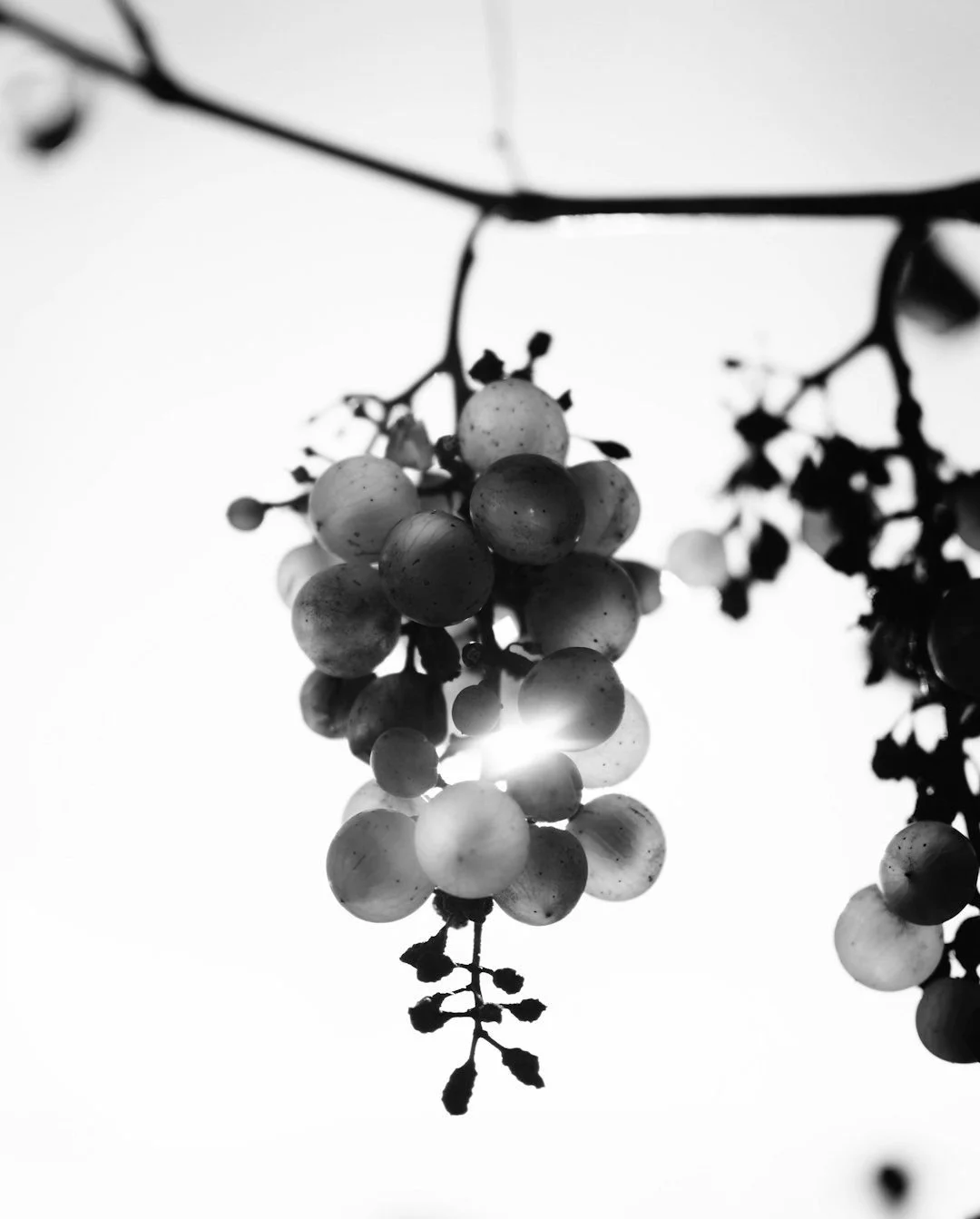
Today, we don’t add thyme to your glass. But the idea remains.
Wine here is meant to be discussed, debated, poured generously, and paired with food that can hold its own.
Macedonia’s high-altitude vineyards, volcanic and limestone soils, and long growing seasons produce wines with structure, acidity, and personality. This is why Xinomavro thrives here. It’s a grape with opinions. High acid. Firm tannins. Savory depth. Wines that don’t rush to charm you.
Supporting it are Malagousia and Roditis for lift and aromatics, and Assyrtiko grown far from the islands, showing a cooler, more grounded side of the grape.

Somm note
These wines aren’t trying to impress you immediately. They want to talk first.
Which is exactly why they pair so well with Macedonian food.

pair it like a pro
-
Cabbage salad, celery, heirloom carrots, caraway crisp
Why this exists
In winter, delicate greens disappear. Cabbage takes over. Shaved cabbage salads appear on nearly every table in Macedonia, especially in Thessaloniki, acting as a palate reset next to richer food.How we make it at Krasi
The cabbage is shaved finely so it softens without losing crunch, lightly dressed, and rested so the vegetables relax naturally. The caraway crisp nods to the region’s Balkan influence.Chef note
This salad is meant to be useful. It keeps the table going.Pair it with
Malagousia or RoditisSomm note
Bright acid and aromatics mirror the salad’s job at the table.If you like
Sauvignon Blanc or Viognier
You’ll like Malagousia. Quietly obsessed.
-
Leek pie, hand-rolled phyllo, herbs, rice
Why this exists
Savory pies fed families through long winters. Leeks thrived after frost. Phyllo was stretched by hand and baked to last.This is also bougatsa country. Northern Greece takes pastry seriously.
How we make it at Krasi
Leeks are softened slowly to bring out sweetness. Rice absorbs moisture. The phyllo is hand-rolled and layered thin for a crisp, rustic finish.Chef note
Perfect phyllo should feel light, not heavy. Credit to Lina on prep for the handmade phyllo.Pair it with
Xinomavro Rosé or lighter-bodied XinomavroSomm note
Phyllo needs acid. Xinomavro delivers.If you’re ordering this
Pour Xinomavro. Northern Greek logic.
-
Salt cod, gigantes, tomato passata, olive oil, bay, herbs
Why this exists
Inland households relied on preserved fish. Plaki-style baking emphasized patience and communal eating.How we make it at Krasi
The cod is fully desalted, then baked gently so it stays tender while the beans absorb the sauce.Chef note
Timing matters more than seasoning here.Pair it with
Macedonian AssyrtikoSomm note
Salt and acid are best friends.If you like
Chablis or Sancerre
This is the Greek answer.
-
Braised chicken, onion, tomato, paprika, rice
Why this exists
Cold winters demanded slow, nourishing food. Paprika reflects the region’s Balkan influence and preference for warmth over brightness.How we make it at Krasi
The chicken is lightly browned, then braised slowly so onions melt into the sauce. The paprika adds depth, not heat.Chef note
If it feels comforting, we did it right.Pair it with
Xinomavro from Naoussa or a Xinomavro–Negoska blendSomm note
Savory wine meets savory food. Balance achieved.If you like
Barolo or Barbaresco
Thank us later.

Symposium Wednesdays: The Conversation Continues
Our version of the ancient symposium. Same idea. Better lighting.
Wednesday, January 7
Taste of the Region
A foundation night. Classic producers. Native grapes. Big-picture Macedonia.
Wednesday, January 14
Gettin’ Turnt with Tatsis
Organic, biodynamic wines from Goumenissa. Earthy, expressive, full of personality.
Wednesday, January 21
History, Hungover
Kir-Yianni and Alpha Estate. Ambition versus authority. Same land, different energy.
Wednesday, January 28
Pour Decisions
Sommelier picks only. No menu. No hints. Just trust.
The Takeaway
Macedonian food and wine pair so well because they were built for the same winters.
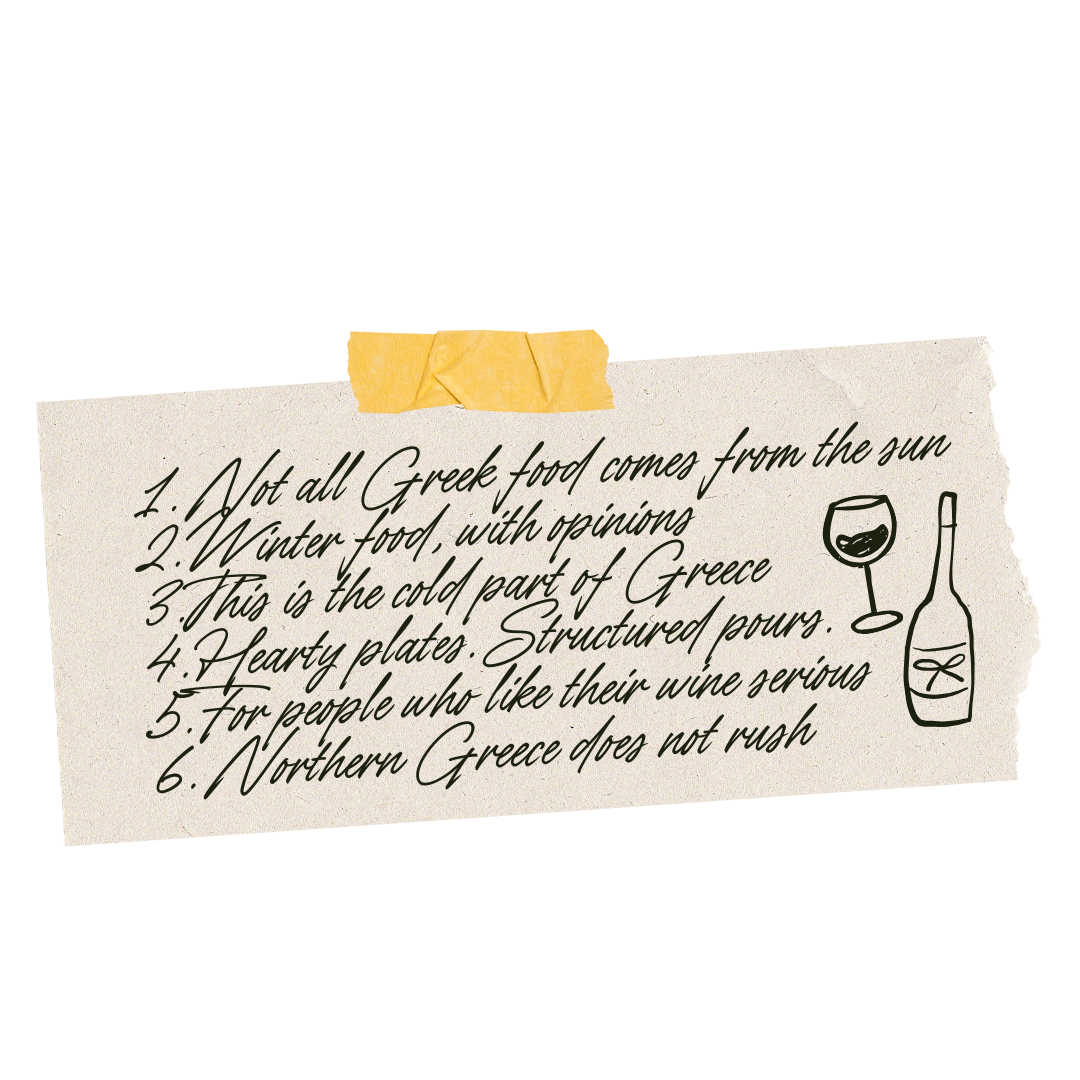
At Krasi, we cook and pour with that in mind. Respect the land. Respect the technique. Keep the conversation going.
Order instinctively. Ask questions. Stay awhile.
We’ll handle the rest.