
March at Krasi: Crete — Where Civilization Learned to Eat

If February took us to the mountains of Epirus, March takes us somewhere older. A lot older.
Welcome to Crete. The island where European civilization began, where olive trees predate most governments, and where the Mediterranean diet isn't a trend — it's just Tuesday. A land of hand-formed pies, foraged wild greens, and wines poured from grapes that were old news before Rome was even a concept.
Crete doesn't follow trends.
It invented them.
And then forgot about it because it was too busy pressing olive oil.
This month at Krasi, we're honoring Crete through dishes built on thousands of years of muscle memory — and wines from grapes that have been growing on this island since before Greece had a name.
An Island That Built Its Own World
Here's the thing about Crete: calling it "just an island" is like calling the Pantheon "just a building." Stretched between snow-capped mountains and the deep blue Mediterranean, Crete spent millennia developing its own civilization, its own cuisine, and its own very particular way of doing things.
The Minoans of Knossos were cultivating olive trees and fermenting wine in buried clay vessels (pithoi, if you want to impress someone at dinner) as early as 1450 BC. That's 4,000 years of continuous winemaking on a single island. The next time someone acts like natural wine is a new idea, just mention that.
The geography shaped everything. The mountains forced self-sufficiency. The sea brought trade — and centuries of outside influence that Crete absorbed and made entirely its own. Venetians refined the pastry techniques. Ottomans brought spice and preservation methods. All of it got filtered through the island's relentlessly local identity and came out tasting unmistakably Cretan.
Spring arrives early here. Wild greens push up from hillsides. Olive oil — and there is always olive oil — gets poured generously over everything. Meals are communal, tables are abundant, and hospitality isn't a policy. It's just how they live.
To eat like Crete is to trust the land, trust the season, and trust the tradition. Also to use more olive oil than you think is reasonable. (It's always the right amount.)
In the Glass: 4,000 Years of Terroir
Crete is arguably the most historically important wine region in all of Greece, and possibly all of Europe. Full stop. The Minoans weren't just making wine — they were fermenting everything together in clay jars: skins, seeds, stems, time, mystery. Wild, alive, and completely intentional. Sound familiar? It should. We've been calling it "natural wine" for about fifteen minutes.

Today's Cretan wine scene covers extraordinary range. Sandy soils with limestone and chalk underbeds. Elevations from breezy coastal vineyards up to mountain sites approaching 900 meters. Whites built on texture and fruit. Reds with centuries of local identity behind them.
The native varieties are what make Crete irreplaceable. Vidiano leads the whites — floral, textured, and wildly versatile. Kotsifali is the soul of Cretan red: warm, spiced, usually blended with the firmer Mandilaria. Then there's Romeiko, a pink-skinned grape that accounts for over 80% of plantings in western Crete and somehow produces everything from light reds to skin-contact whites to Blanc de Noirs. It contains multitudes. And in rare corners of the island: Liatiko, Vilana, Thapsithiri, and the nearly mythological Muscat of Spinas — indigenous to a single mountain village, grown on 100-year-old vines at 850 meters. We happen to have some. You're welcome.
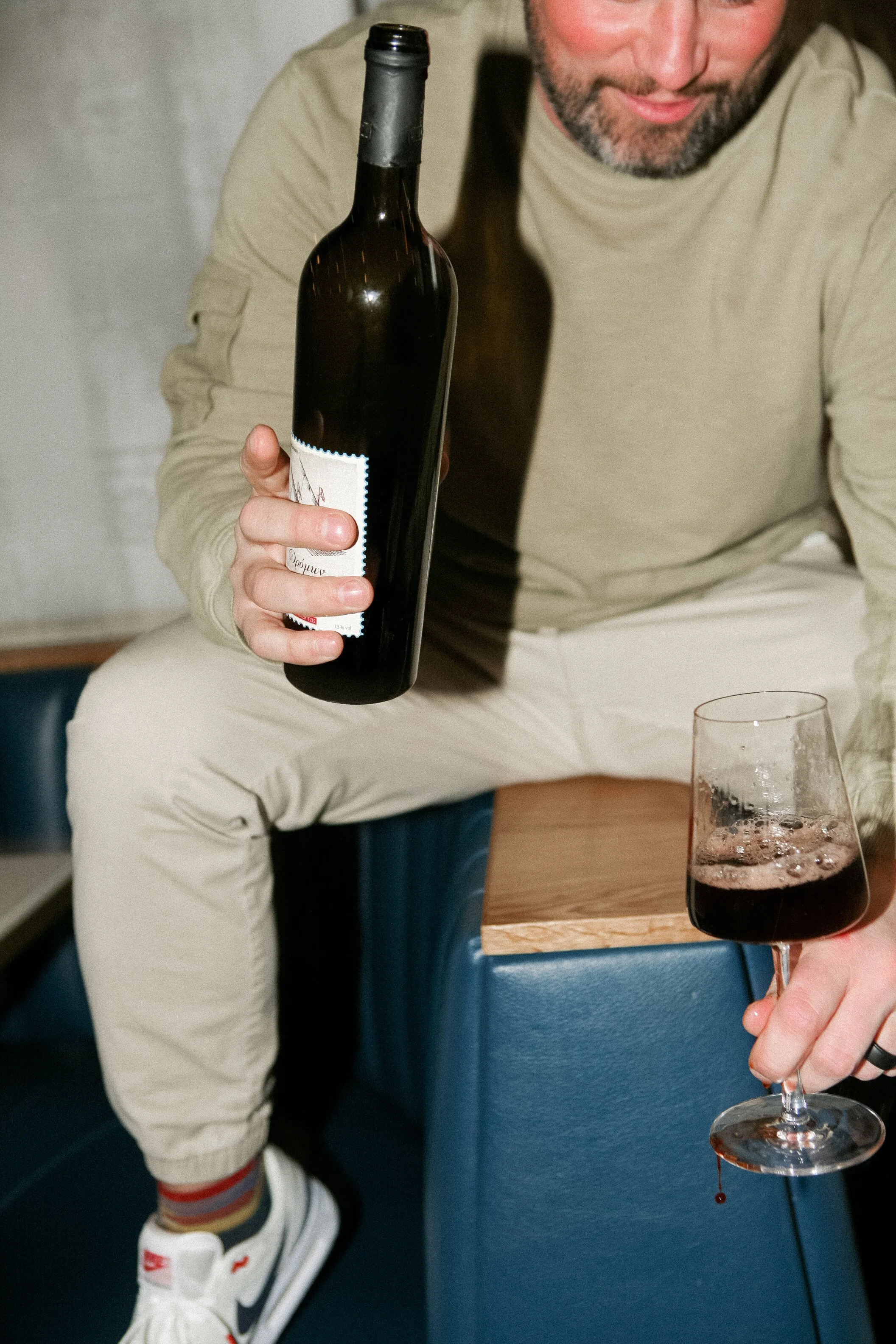
If you like wines that tell you exactly where they're from without being weird about it — this is your month.
Somm note
Cretan wines carry warmth without weight. Fruit without sweetness. History without pretension. They're wines that want to be at the table, not above it. Much like us.

pair it like a pro
-
Wild greens, myzithra, mint, dill
Why this exists
Rethymno is Crete's great pie city, and kalitsounia are its most intimate expression. Forget the giant pan-baked hortopita you've seen everywhere else. These are individual, hand-formed, lightly fried, and deeply personal. In Cretan villages, families still make these in early spring when wild greens first come up from the ground. Myzithra — fresh sheep's milk cheese — holds everything together. Venetian influence refined the pastry technique centuries ago, but the heart of this dish has always been rural, pastoral, and completely unimpressed with trends.How we make it at Krasi
Thin dough, rolled by hand. Light filling. Crimped by feel, not by ruler. Fried in olive oil until just golden. Finished with thyme honey for the sweet-savory balance that makes this dish so distinctly Cretan.Chef note
Pie culture at its most honest. No excess. Just hands, dough, and whatever the season brought.Pair it with
Muscat of Spinas, Aori EO Greece 2023Somm note
Electric acidity and a floral lift that cuts right through the cheese while echoing the herb brightness. One of only 4,000 bottles ever made. Dimitri Skouras found the vines on a pheasant hunting trip in the snow. We tasted it in May and moved fast. That's the job.If you like
Muscadet or Vermentino
You'll like this. Crisp, mineral, and impossible to stop thinking about.
-
Yellow split peas, charred leek, orange zest, olive oil, with fried spiral pastry
Why this exists
Xerotigana are woven into Cretan celebration: fried in olive oil, drizzled with honey and sesame, their spiral shape a symbol of prosperity and continuity. Fava (split pea purée) is the island's foundational legume dish, a pillar of the Cretan diet that researchers have been citing as a model of the Mediterranean diet for decades. Together, they tell the story of a cuisine that never needed to be trendy because it was always right.How we make it at Krasi
Fava is slow-cooked and puréed until silky, then brightened with orange zest and finished with olive oil. Leeks get charred for depth. The xerotigana come out thin, crisp, and a little festive — because this dish should feel like a celebration even on a random Wednesday.Chef note
This one bridges winter citrus and early spring produce. A bridge dish in the best possible way.Pair it with
Assyrtiko, Douloufakis 'Alargo' PGI Crete 2018Somm note
High citrus and salinity that echo the orange zest and cut through the richness of the fava without missing a beat. Alargo means "far away" in Cretan dialect. Assyrtiko from Santorini, grown in Cretan limestone. Same grape, different story.If you like
Vermentino or Robola
You'll like Alargo. Same energy, different sense of place.
-
Bay scallop crudo, wild oregano, coriander, fennel, capers, green olive, olive oil
Why this exists
Rethymno spent centuries under Venetian rule, and it shows up on the plate. The Venetians brought vinegar to Crete, and coastal Cretans ran with it — lightly marinating seafood with olive oil, herbs, and acid became both a technique and a tradition. "Marinatos" is exactly that: minimal preparation, maximum respect for the fish. Wild oregano and capers grow all over Crete without anyone asking them to. The island's mountains and sea have always worked together this way.How we make it at Krasi
Bay scallops, marinated just long enough for the acid to say hello without overstaying its welcome. Wild oregano, capers, fennel. Olive oil applied generously and cleanly. The goal is freshness, not transformation.Chef note
Let the olive oil be the star. Everything else is supporting cast.Pair it with
Vidiano, Iliana Malihin 'Old Vines' PGI Crete 2021Somm note
Stonefruit, mineral length, subtle herb notes that mirror the dish without stepping on it. Iliana Malihin helped save Vidiano from near extinction and started her own winery in Rethymno in 2019. She lost a chunk of old-vine Romeiko to a fire in 2020. The vines survived. So did she. So does this wine.If you like
quality Viognier
You'll like this. More precision, less drama.
-
Charred pork collar, bitter greens, avgolemono
Why this exists
Crete gets labeled plant-forward, and sure — but that's never been the whole story. Pork has always had a place in Cretan village life, especially in the colder months when animals were slaughtered and nothing went to waste. Paired with bitter greens foraged from hillsides and finished with avgolemono, this dish is the truest portrait of Cretan balance: protein present, olive oil and lemon always in the frame, and nothing louder than it needs to be.How we make it at Krasi
Pork collar gets a light salt cure before roasting, then a high-heat char to finish. Greens are blanched properly and pressed. The avgolemono is tempered and controlled — bright, clean, no shortcuts.Chef note
Let the char and the lemon do the talking.Pair it with
Kotsifali, Lyrarakis PGI Crete 2021Somm note
Zesty red fruit and herbal spice that match the char and cut through the richness without flattening the greens. Lyrarakis has been making wine in Heraklion since 1966. Still family-run. Still getting better.If you like
Grenache or warmer-climate Pinot Noir
You'll like Kotsifali. Spiced, bright, and deeply Cretan.
Symposium Wednesdays: The Conversation Continues
Our version of the ancient symposium. Same idea. Better lighting. Fewer togas (unless it's March 29).
Wednesday, March 4
Taste of the Region
A foundation night for Crete's wine identity. Muscat of Spinas from 100-year-old own-rooted vines at 850 meters. Only 4,000 bottles made and we tasted it first. Old-vine Vidiano from Iliana Malihin. Kotsifali from Lyrarakis. And the Romeiko-Syrah from Manousakis — the western Cretan blend that has no business working as well as it does.
Wednesday, March 11
Douloufakis: WTF Did You Just Call Me?
A full evening with one of Crete's most storied family estates, founded in 1930 and still at it. Four wines, four expressions of the same vision: Malvasia Femina (named after the grape's Venetian nickname for its aromatics and elegance), Assyrtiko Alargo, single-vineyard oaked Vidiano Aspros Lagos (named after the white hares spotted grazing in the vineyard, obviously), and the Liatiko Grande Reserve — 30-day extraction, 2-day cryo-maceration, three full years of aging. It's a lot. It earns it.
Wednesday, March 18
Drink Like a Minoan, F*ck Your Filter
4,000 years ago, the Minoans fermented everything in buried clay pithoi at Knossos: skins, seeds, stems, and a healthy amount of mystery. Natural wine is not a new idea. Tonight we honor that legacy with Crete's best skin-contact and minimal-intervention bottles: Stilianou's Great Mother Vidiano (the ancient Minoan goddess is on the label, holding snakes — a symbol of rebirth, extremely on-brand for natural wine), Douloufakis Amphora Vidiano (the last vintage ever made of this one), Alexakis' 30-day skin-contact orange Vidiano, and Stilianou's Great Mother Mandilaria. Bold, alive, and full of personality. Just like the Minoans.
Wednesday, March 25
Pour Decisions
Sommelier picks only. No menu. No hints. Wines we love and think you should trust us on — including a tradition-method sparkling Vidiano from Douloufakis (yes, Crete makes sparkling wine, and yes, it's excellent) and a 1999 Kotsifali/Mandilaria from Paterianakis that has been very patiently waiting for the right table.
This Month at the Bar: Neos Frappé
When someone says "Crete," we think mazes. Ancient ones, specifically. And anyone trying to navigate a labyrinth needs caffeine.

The Neos Frappé is our brunch cocktail for March: Metaxa 5 Star infused with chicory, cardamom burnt sugar syrup, oat milk, and Nescafé Frappe. Creamy, roasted, airy, and very Greek. Slightly bitter, smooth, and proudly non-dairy. It's the espresso martini that learned to order in Greek. The iced coffee that earned a liquor license.
Roasted. Bright. Nutty. All Greek.
Special Event: Verykoko Greek Independence Day Brunch

This month we're also celebrating Greek Independence Day the Verykoko way. Blue, white, loud, and proud — expect olive wreaths, flag-waving, and the kind of energy that only happens once a year. Stay tuned for full details and tickets.
Why Crete, Why Now
March is when the season turns.
When wild greens push up from cold ground.
When olive oil on warm bread is genuinely enough.
Crete gives us exactly that: food rooted in thousands of years of trust in the land, wines poured from grapes older than most civilizations, and a reminder that the world's greatest cuisines were never invented. They were just lived, slowly, with a lot of olive oil and very good company.
Join us this month as we explore Greece's oldest island, one hand-formed pie, one ancient grape, and one shared table at a time.